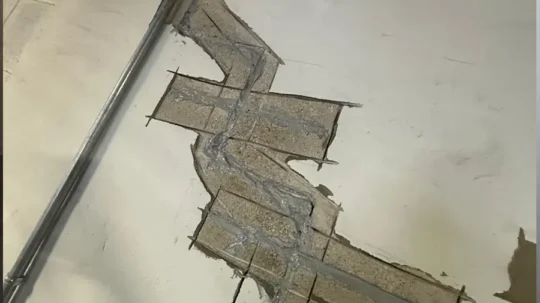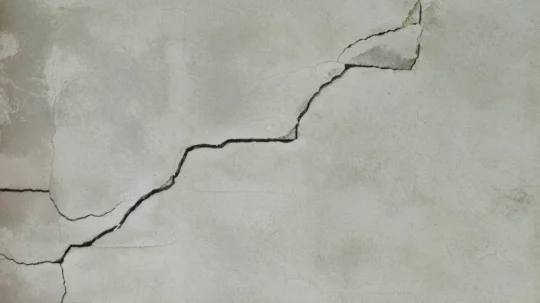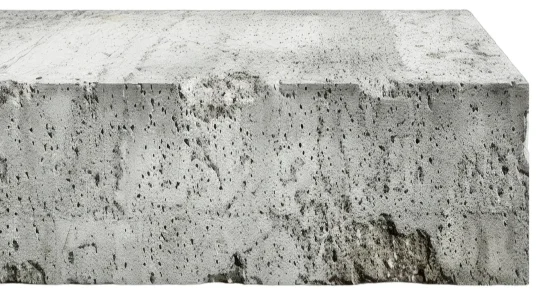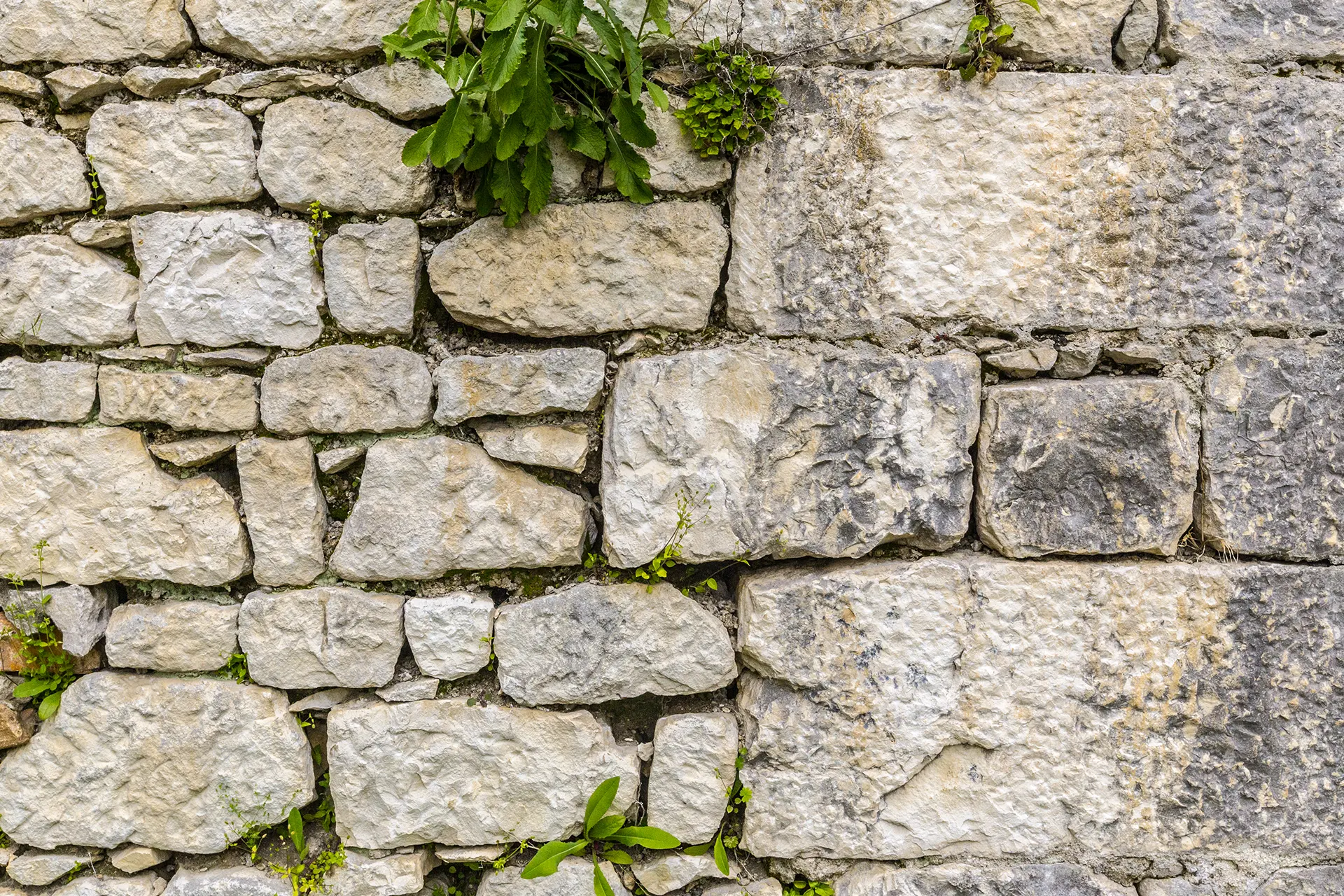
A retaining wall is designed to hold soil in place. If you notice that your wall is starting to lean, bulge, crack, or move, something may be putting more pressure on the wall than it was designed to handle.
A small change in the wall may not seem serious at first, but continued movement can lead to larger cracks, soil movement, and further damage.
The good news is that a leaning retaining wall does not always need to be completely replaced. The right repair depends on why the wall is moving and how much damage has occurred.
What Causes a Retaining Wall to Lean?
There are several reasons a retaining wall can start to move. In many cases, the problem is related to the soil or water behind the wall rather than the wall surface itself.
Water and Poor Drainage
Water is one of the most common concerns with retaining walls. When water collects behind a wall, it creates additional pressure against the structure. Proper drainage helps control this pressure and allows water to move away from the wall.
The Federal Highway Administration recommends drainage measures to help reduce hydrostatic pressure behind retaining structures. Drainage may include systems such as drains, gravel drainage layers, or other designed drainage features. (Federal Highway Administration)
If a retaining wall has poor drainage, heavy rain can make an existing problem worse. Clogged drainage openings, poor grading, or water collecting behind the wall can all contribute to increased pressure.
Soil Pressure
A retaining wall is constantly holding back soil. If the pressure behind the wall becomes too great, the wall can begin to move forward.
This can happen because of changes in the soil, added weight near the top of the wall, or water entering the soil. A driveway, structure, large amount of fill, or other heavy load near the wall can also affect the forces acting on it.
Poorly Compacted Soil
Soil behind or beneath a retaining wall needs to provide stable support. If the soil was not properly prepared or compacted during construction, it may settle over time.
As the ground changes, parts of the wall can lose support. This can cause leaning, cracking, or uneven movement.
Erosion
Water can also wash soil away from beneath or around a retaining wall. Once supporting soil is lost, the wall may settle or shift.
Erosion can be especially concerning when water repeatedly flows toward the wall or when drainage is not properly controlled.
Foundation or Footing Problems
A retaining wall also depends on its base for stability. If the footing is damaged, undersized, undermined, or affected by soil movement, the wall may begin to shift.
In these cases, repairing the visible part of the wall alone may not address the underlying problem.
Why Is My Retaining Wall Leaning Forward?
A retaining wall that is noticeably leaning toward the soil it is holding back may be experiencing increased pressure behind it.
Water is one possible cause. When water becomes trapped in the soil, it can add hydrostatic pressure to the wall. Soil movement and poor drainage can make the situation worse.
The amount of movement also matters. A wall that has moved slightly may have a different repair requirement from one that is significantly tilted, cracked, or bulging.
An inspection can help determine whether the movement is still active and what may be causing it.
What Are the Signs of a Failing Retaining Wall?
The most obvious sign is a wall that is no longer straight. However, leaning is not the only warning sign.
You may also notice cracks, bulging areas, gaps between sections, soil settling behind the wall, or changes in the ground around its base.
Drainage problems are another important warning sign. If water regularly collects behind or near the wall, it should be addressed rather than ignored.9
A combination of movement and cracking is especially worth having inspected because it may indicate that the wall is under ongoing stress.
Can a Leaning Retaining Wall Be Repaired?
In many cases, yes. But the repair depends on the wall’s construction, condition, foundation, soil, and drainage.
A contractor may be able to stabilize a wall that has moved but remains structurally sound. If drainage is contributing to the problem, improving water management may also be part of the repair.
More serious damage may require foundation work, reinforcement, partial rebuilding, or complete replacement.
There is no single repair method that works for every retaining wall. The cause of the movement needs to be understood first.
How Is a Leaning Retaining Wall Repaired?
The repair starts with an inspection of the wall and the surrounding area. The contractor needs to understand how far the wall has moved and whether the movement is coming from the wall, its foundation, the soil, or water conditions.
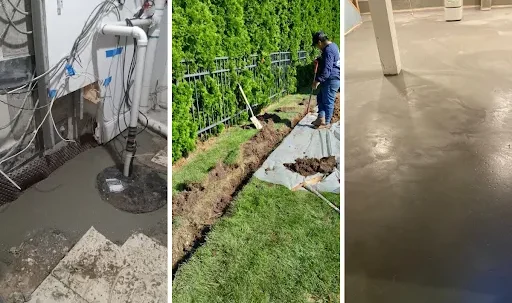
If drainage is part of the problem, the repair may include measures to move water away from the wall and reduce pressure behind it. Proper drainage is an important part of retaining wall design because water pressure can add to the loads acting on the structure. (Federal Highway Administration)
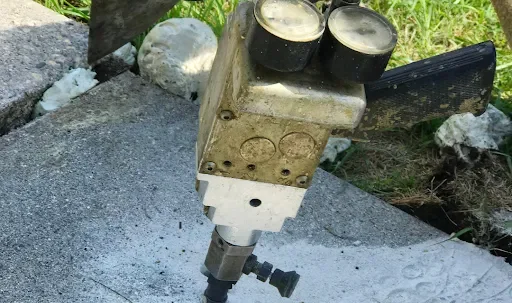
Depending on the condition of the wall, stabilization or foundation repairs may also be needed. If the wall is too damaged to repair reliably, rebuilding may be the better option.
Can You Straighten a Leaning Retaining Wall?
Sometimes, but it depends on the condition of the wall.
A wall that has moved slightly and remains in good condition may be a candidate for stabilization. A wall that has severe cracking, major displacement, foundation failure, or significant soil movement may require more extensive work.
Trying to force a severely damaged wall back into position without addressing the reason it mov ed can leave the same problem in place.
That is why the cause of the movement should be identified before deciding how to repair it.
Does Drainage Affect Retaining Wall Stability?
Yes. Drainage is an important part of retaining wall stability.
When water collects behind a wall, it can increase pressure on the structure. Properly designed drainage gives water a way to move away instead of remaining trapped in the soil.
The Federal Highway Administration notes that drainage systems can help reduce hydrostatic pressure behind retaining structures and that drainage features need to be properly designed and maintained.
If your retaining wall is leaning and there are also signs of poor drainage, both issues should be considered during the inspection.
For properties with broader water problems, foundation waterproofing can also be part of the solution when water is affecting nearby foundation areas.
Should a Leaning Retaining Wall Be Repaired or Replaced?
That depends on how much damage has occurred.
If the wall is still in good condition and the main issue is movement, stabilization or repair may be possible. If large sections are cracked, badly displaced, or no longer stable, replacement may be necessary.
The condition of the base is also important. Replacing the visible wall without correcting an unstable foundation, poor drainage, or soil problem may not solve the underlying issue.
A proper assessment should look at the entire wall and the conditions around it.
How Much Does Retaining Wall Repair Cost?
There is no standard price for retaining wall repair because every project is different.
The cost can depend on the size and height of the wall, the amount of movement, the type of wall, access to the property, drainage requirements, foundation conditions, and whether the wall needs stabilization or rebuilding.
For a better understanding of concrete repair pricing, see our guide to the cost to repair concrete.
The best way to determine what your retaining wall needs is to have the condition inspected before deciding on a repair.
What Should You Do If Your Retaining Wall Is Leaning?
Do not ignore continued movement. A retaining wall that is leaning, cracking, or bulging may be dealing with pressure from soil, water, erosion, or a problem with its foundation.
The first step is to find the cause. Once the condition of the wall and surrounding ground has been evaluated, a contractor can determine whether the appropriate solution is stabilization, drainage work, foundation repair, or rebuilding.
If the wall is close to a home, driveway, walkway, or other structure, the surrounding conditions should also be considered during the assessment.
Retaining Wall Repair in Long Island and NYC
Retaining wall problems can occur in both residential and commercial properties across Long Island, Brooklyn, Queens, and the Bronx.
Foundation Concrete Repair provides retaining wall repair along with foundation repair, concrete repair, waterproofing, and stabilization services. The appropriate repair depends on the condition of the individual property.
Our team can inspect the wall, identify visible signs of movement, and determine what type of repair may be needed.
Frequently Asked Questions
Can a leaning retaining wall be fixed?
Some leaning retaining walls can be repaired or stabilized. The right approach depends on the amount of movement, wall condition, foundation, soil, and drainage.
Why is my retaining wall leaning forward?
Forward movement can be caused by soil pressure, water buildup, poor drainage, foundation problems, erosion, or other changes behind or beneath the wall.
Is a leaning retaining wall dangerous?
A leaning wall may become less stable as movement continues. If you notice significant leaning, bulging, cracking, or rapid changes, have the wall inspected rather than assuming the movement will stop on its own.
Can drainage problems cause a retaining wall to lean?
Yes. Water that collects behind a retaining wall can increase pressure against it. Proper drainage helps control water and reduce hydrostatic pressure.
Should I repair or replace my retaining wall?
That depends on the condition of the wall. A wall that is still structurally sound may be repairable, while a severely damaged or unstable wall may require rebuilding.
Is Your Retaining Wall Starting to Lean?
A leaning retaining wall should be evaluated before the problem gets worse. The visible movement may be caused by something behind or beneath the wall, such as water, soil movement, erosion, or inadequate support.
Foundation Concrete Repair can inspect your retaining wall and help determine whether it needs stabilization, foundation work, drainage improvements, repair, or replacement.
Contact us to schedule an inspection and discuss your retaining wall repair needs.
Author

Related Posts