Foundation issues can pose serious risks to your home’s safety and value, especially if left unaddressed. For homeowners in Long Island, Queens, and Brooklyn, recognizing the early signs of foundation problems is crucial due to unique environmental factors, like soil composition and coastal weather, that can impact home stability. This guide will walk you through the warning signs of foundation issues, how they manifest, and what steps to take when you spot them.
Why Foundation Health Matters
The foundation is the backbone of your home, supporting walls, floors, and roofs. Even minor foundation issues can develop into significant structural problems if not addressed promptly. Homeowners in regions like Long Island and Queens are particularly at risk due to moisture fluctuations, seasonal weather, and soil variability. Keeping an eye out for foundation warning signs can help you act early and save on potentially costly repairs down the line.
1. Cracks in Walls, Floors, and Ceilings
What They Look Like:
One of the most common signs of foundation issues is the appearance of cracks. These can be visible in various places:
- Wall Cracks: Look for cracks in both interior and exterior walls. Vertical or diagonal cracks are particularly concerning.
- Floor Cracks: Hairline cracks in concrete or tile floors may appear with foundation shifts.
- Ceiling Cracks: Cracks along the ceiling or at the joints of ceiling and walls can indicate foundational movement below.
What Causes It:
Cracks often result from soil movement under the foundation, which can be caused by changes in moisture, soil settlement, or even seasonal shifts. In coastal areas like Long Island, the high water table and wet soil can lead to more frequent soil expansion and contraction, impacting the stability of a foundation.
2. Uneven or Sloping Floors
What to Look For:
If you notice that your floors are sloping or feel uneven when you walk, this could be a sign of foundation settlement. You can test this by rolling a small ball on the floor; if it moves toward one side, your floors may be sloping.
What Causes It:
Uneven floors are often caused by foundation settlement or soil erosion, where parts of the foundation sink more than others. In areas like Brooklyn and Queens, older homes are particularly susceptible to this due to years of ground movement and natural settling.
3. Doors and Windows that Stick or Don’t Close Properly
What to Check:
Doors and windows that become hard to open or don’t close properly are often early indicators of foundation movement. Watch for gaps around frames, particularly if they seem larger on one side.
Why This Happens:
Foundation issues can distort the frame of a house, making doors and windows out of square. If the foundation shifts, it can lead to uneven pressure on frames, causing doors and windows to misalign. In humid climates like Long Island, seasonal expansion and contraction of soil further contribute to this issue.
4. Gaps Around Window Frames, Doors, and Moldings
Signs to Notice:
Examine the areas around windows, doors, and baseboards for any gaps or separations. Trim or molding that pulls away from walls is often a subtle sign of foundation movement.
What Causes It:
As the foundation settles unevenly, it can pull the walls in different directions, creating gaps. This is particularly common in homes built on clay-rich soils, which are prevalent in parts of Queens and Long Island and can expand or shrink significantly with moisture changes.
5. Water Intrusion and Dampness in the Basement
Signs to Look For:
If your basement has a musty smell, visible damp spots, or signs of mold growth, it could indicate that the foundation isn’t adequately sealed. Pooling water, even after light rain, is also a clear red flag.
Why This Happens:
Water intrusion usually results from cracks in the foundation or poor drainage around the home. In coastal and flood-prone areas, like Brooklyn and Queens, high groundwater levels can create hydrostatic pressure against the foundation, forcing water inside. Over time, this can lead to major structural issues and health risks due to mold growth.
6. Bowing or Bulging Basement Walls
What to Notice:
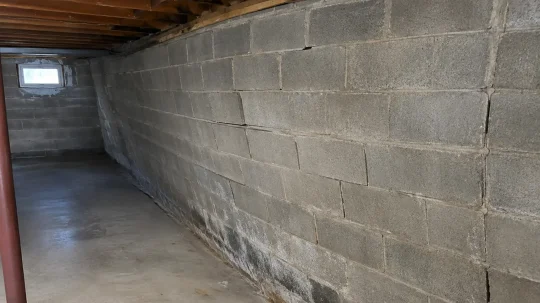
Bowing walls appear to curve inward and may look like they’re buckling under pressure. This is especially visible in unfinished basements or older homes.
What Causes It:
Bowing walls occur due to lateral soil pressure pushing against foundation walls. In regions with fluctuating weather, like Long Island, heavy rains can cause the soil to expand, creating increased pressure against basement walls. Over time, the walls begin to bow or crack under the strain.
7. Sagging or Cracked Chimney
What to Check For:
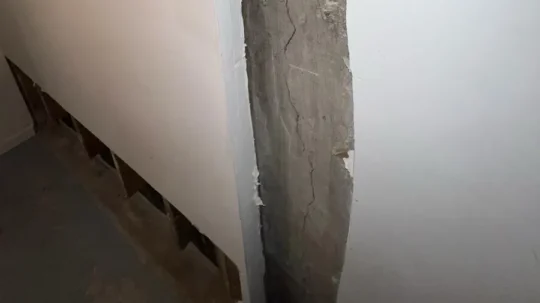
A leaning or cracked chimney may indicate a foundation issue. If you notice that the chimney is separating from the home or see visible cracks, this is a cause for concern.
What Causes It:
A chimney that’s pulling away from the home is often a sign of uneven settling in the foundation. Because chimneys are heavy, they require a stable foundation. Shifting or settling ground under one section of the house can make the chimney lean or separate, particularly in older homes across Long Island and Brooklyn.
8. Cracks in Exterior Brickwork or Masonry
Signs to Watch:
Check the exterior brickwork or masonry for zig-zag cracks or bulging areas. These cracks often start small but can widen as the foundation shifts.
Why This Happens:
These cracks result from foundation settling or movement, putting uneven pressure on brick or stone masonry. In Queens, where brick homes are common, these types of cracks are among the most visible indicators of foundation problems and should be addressed promptly to prevent structural damage.
Common Causes of Foundation Issues in Long Island, Queens, and Brooklyn
Soil Conditions
Homes in Long Island and Queens are often built on expansive clay soils, which shrink and swell with moisture, impacting foundation stability.
Seasonal Weather Changes
The mix of humid summers, cold winters, and occasional heavy rainfall puts pressure on foundations, causing soil movement.
Age of the Home
Older homes in Brooklyn, Queens, and Long Island may not have the benefit of modern building codes and materials, making their foundations more susceptible to wear and tear.
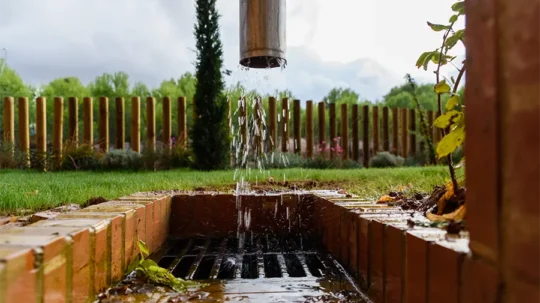
Water Drainage Problems
Poor drainage systems, which are common in urban areas, can lead to water pooling around the foundation, increasing the risk of water intrusion.
What to Do if You Notice Foundation Issues
If you recognize any of these signs, acting quickly is essential to prevent further damage. Here’s a step-by-step approach:
- Conduct a Visual Inspection
Check both inside and outside for cracks, gaps, or other signs listed above. - Monitor the Situation
Some cracks may be normal as the home settles over time. However, if they worsen, it’s best to consult a professional. - Hire a Foundation Specialist
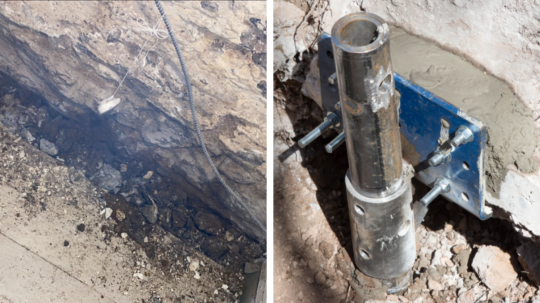
Professionals can assess the severity of the issue and recommend repair options suited to your home and location. - Plan for Regular Maintenance
Addressing drainage issues, inspecting the basement for moisture, and reinforcing soil stability can all help prolong the health of your foundation.
Conclusion
Recognizing the early signs of foundation issues can make all the difference in maintaining a safe, stable home. For homeowners in Long Island, Queens, and Brooklyn, where environmental factors like soil type and coastal weather play a significant role, staying vigilant is key. If you’ve noticed any of these warning signs, consider consulting a foundation repair expert to get a professional assessment and keep your home’s foundation strong for years to come.
Call to Action
Noticing any of these foundation issues in your Long Island, Queens, or Brooklyn home? Reach out to our local foundation repair specialists for a comprehensive inspection and solution tailored to your needs. Protect your investment and ensure your home remains safe and secure for the future.
This long-form blog is structured to address common foundation issues and is rich with relevant information, making it easy for search engines to understand and rank. It’s packed with valuable insights, includes geographic relevance, and has a clear call to action to engage readers and encourage them to reach out.
Author

Related Posts