A sunken or uneven concrete slab can be more than an eyesore. It can create trip hazards, collect water, and make a driveway, walkway, patio, or other concrete surface difficult to use.
When concrete settles, homeowners and property managers often have two choices: lift the existing slab or replace it with new concrete. The right option depends on the condition of the slab and what caused it to settle.
Understanding the difference can help you decide what type of repair your property needs.
What Is Concrete Slab Lifting?
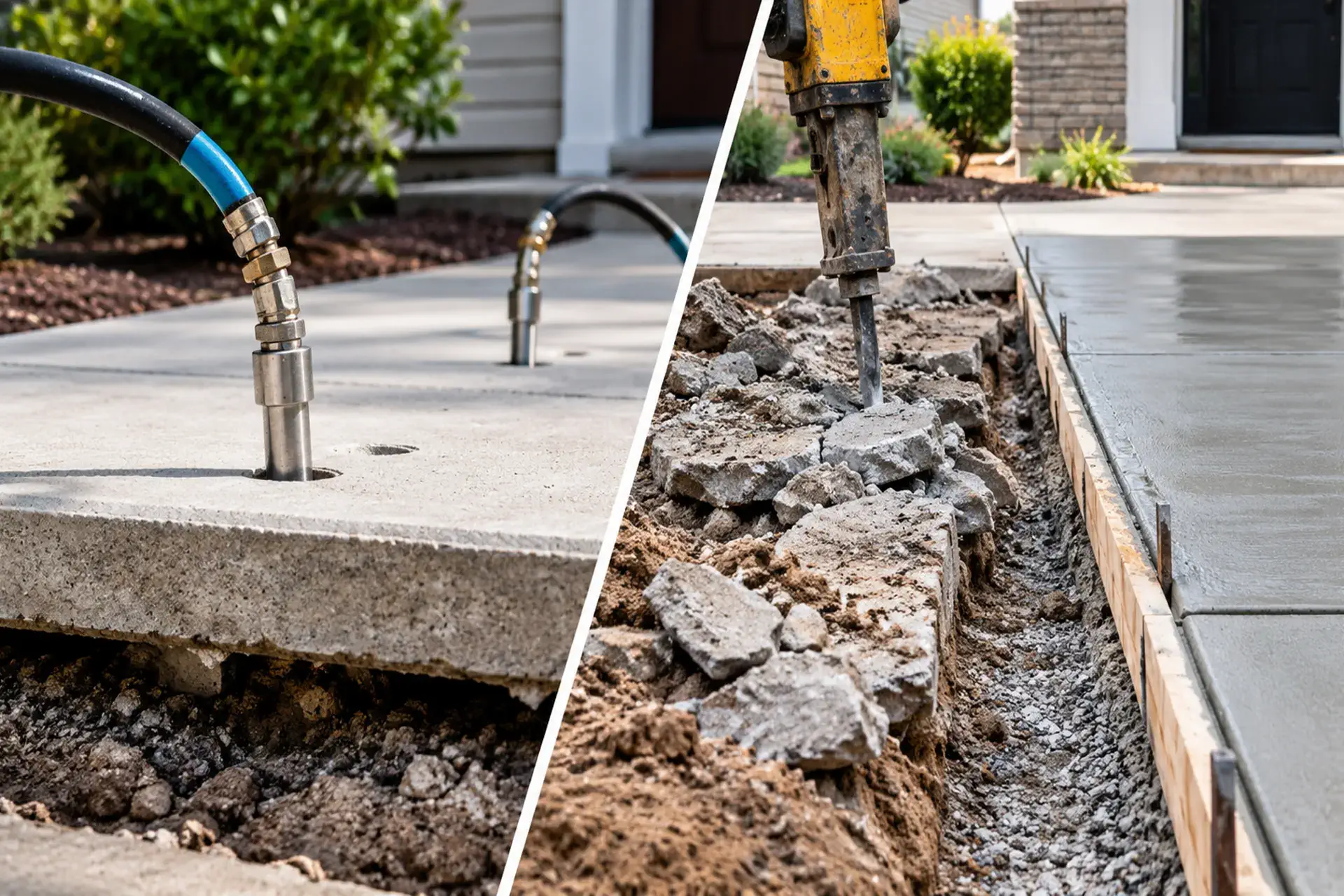
Concrete slab lifting is a way to raise concrete that has settled or sunk. Small holes are made in the slab, and a lifting material is injected underneath it. This material fills spaces below the concrete and helps raise the slab back toward its original position.
Mudjacking and polyjacking are two common slab lifting methods.
The main benefit is that the existing concrete can often be kept in place. This means there may be less demolition and less material to remove compared with replacing the entire slab.
When Can a Concrete Slab Be Lifted?
Slab lifting is generally considered when the concrete is still in reasonably good condition but has settled.
For example, a sidewalk may still be solid but have one section that has dropped several inches. A driveway may have settled because the soil below it has shifted or eroded. If the concrete itself is still strong enough, lifting and stabilizing it may be an option.
However, lifting cannot restore concrete that is severely broken or deteriorated. If the slab has extensive damage, replacement may make more sense.
What Is Concrete Slab Replacement?
Concrete replacement means removing the existing slab and installing new concrete.
After the old concrete is removed, the area can be inspected and prepared for the new slab. Depending on the cause of the problem, this may include improving the base, correcting drainage, or addressing unstable soil.
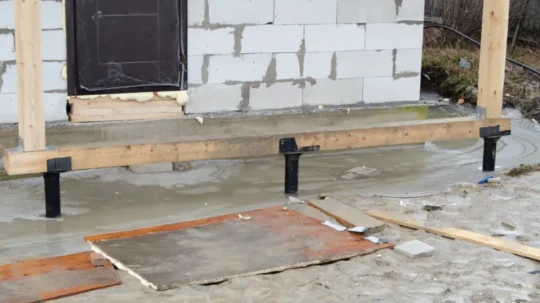
New concrete is then installed, reinforced when needed, finished, and allowed to cure.
Replacement takes more work than lifting, but it also gives the contractor an opportunity to rebuild the concrete area from the base up.
When Is Concrete Replacement Necessary?
Replacement is often considered when the concrete itself is badly damaged.
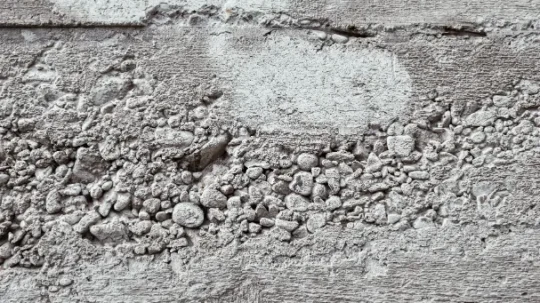
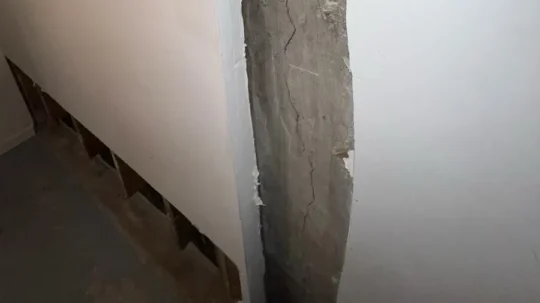
Large cracks, broken sections, severe surface deterioration, or major movement can make it difficult to get a reliable repair by simply lifting the existing slab.
The cause of the damage also matters. If the slab has repeatedly settled because of a poor base or another underlying problem, replacing the concrete without addressing that problem may not solve the issue.
Concrete Slab Lifting vs. Replacement
The main difference is simple: lifting works with the existing concrete, while replacement removes it and installs a new slab.
| Concrete Slab Lifting | Concrete Slab Replacement |
| Existing concrete is usually kept | Existing concrete is removed |
| Raises settled concrete | Installs new concrete |
| Less demolition | Requires demolition |
| Best suited to concrete that is still in usable condition | Often used when concrete is badly damaged |
| May require filling voids below the slab | Allows the base to be rebuilt |
Neither method is automatically the right choice. A contractor should look at the condition of the slab and the ground below it before recommending a repair.
Why Do Concrete Slabs Sink?
Concrete does not usually sink without a reason. In many cases, the soil or base beneath the slab has changed.
Poorly compacted soil can settle over time. Water can wash soil away and leave empty spaces beneath the concrete. Drainage problems can also cause erosion or changes in the soil.
When the ground below the slab loses its ability to support the concrete, the slab can settle, crack, or become uneven.
This is why it is important to look beyond the surface. Raising a slab without considering what caused the settlement may not provide a lasting solution.
Is Concrete Lifting Less Expensive Than Replacement?
The cost depends on the condition and size of the concrete and the work required below it.
Lifting may involve less demolition and fewer materials because the existing slab remains in place. Replacement involves breaking out the old concrete, removing it, preparing the base, and installing new concrete.
Access to the property, the amount of settlement, soil conditions, drainage, slab thickness, and reinforcement can all affect the final cost.
A contractor should inspect the area before giving a recommendation or estimate.
Mudjacking vs. Polyjacking
If lifting is suitable, the contractor may use mudjacking or polyjacking.
Mudjacking uses a cement-based slurry that is pumped beneath the concrete. Polyjacking uses expanding polyurethane foam to fill spaces and raise the slab.
Both methods are designed to address settled concrete, but the best choice depends on the specific project. The condition of the slab, the size of the voids, access, and the material beneath the concrete all need to be considered.
Can a Cracked Slab Be Lifted?
A cracked slab is not automatically a candidate for replacement.
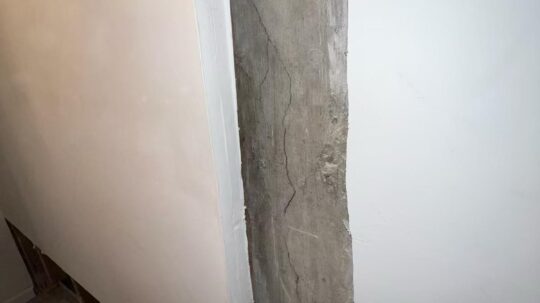
Some cracked concrete can still be lifted if the slab has enough structural integrity. However, severely cracked, broken, or deteriorated concrete may not be suitable for lifting.
The size and location of the cracks, the amount of settlement, and the overall condition of the slab should be checked before choosing a repair method.
What Happens During a Concrete Slab Inspection?
A proper inspection looks at more than whether the concrete is uneven.
The contractor will assess the amount of settlement and look at cracks, broken areas, surface damage, and signs of voids beneath the slab. Drainage and surrounding soil conditions may also be considered.
The goal is to determine whether the existing concrete can be stabilized or whether removing it and installing new concrete is the better approach.
Which Option Is Right for Your Concrete?
If your concrete is mostly intact and the main problem is that it has settled, lifting and stabilization may be possible.
If the concrete is badly damaged, broken, or deteriorated, replacement may be necessary.
In either case, the cause of the settlement should be considered. Problems with soil, drainage, erosion, or the base beneath the slab may need to be addressed as part of the repair.
A professional inspection can help determine which approach is suitable for your property.
Need Help With a Sunken or Damaged Concrete Slab?
A settled concrete slab does not always need to be demolished and replaced. In some cases, the existing concrete can be lifted and stabilized. In other cases, replacement is the more practical solution.
Foundation Concrete Repair can inspect your concrete and determine whether lifting, stabilization, or replacement is appropriate for the condition of your property.
Contact us to schedule an inspection and discuss your concrete repair needs.
Author

Related Posts